
URBAN NATURALIZATION MASTER PLAN FOR THE CITY OF GIJÓN/XIXÓN
URBAN NATURALIZATION MASTER PLAN FOR THE CITY OF GIJÓN/XIXÓN
Location: Gijón
Client: Gijón City Council and the Municipal Urban Environmental Services Company of Gijón, S.A. (EMULSA)
Date: 2021 – 2025
Type: Strategic Planning
Program: Urban Naturalization
Surface Area: 3,465 ha
Team: Alexandra Delgado Jiménez, Director; Marina Ambrosio, Marcelo Javier López, Alberto Lozano, Maria Gilda Martino, Ignacio Aracil Ávila, AD ARQUITECTURA URBANA
Collaborators: Cecilia Fernández Villar, Ariadne Bárcenas Taland, Roi García Camba, Cristina Godoy Gascuñana, Luis de Frutos Lope, Álvaro de Blas Díaz, Pablo Moya Redondo.
Competition Phase Collaborators: María Pilar López Aguilar, Paula de Aragón Francisco.
Evaluation Collaborators: Arianna Di Ruocco, Karla Monserrath Ulloa Chacha, and Andrés Vinicio López Yépez.
Gijón City Council: Jorge Olmo Ron Prada, José Rodrigo Pintueles Espina, Rafael Pedro Fernández Guerrero, Juan Carlos Martínez Sánchez, Marta Nosti Montes, Cristina Mieres Caballero, María Rosario Vallano López, Alfonso Baragaño Álvarez, Esteban Lázaro Álvarez Romero, Javier Merás Fernández, Pedro Fernández Valdés, Ángela Mateos Martínez, Sergio Rodríguez López, Roberto Bernardo Pérez, María del Mar Aguilera Sanz, Alejandro Navazas Álvarez, José María Díaz Gete, Jesús Fernández Testón, Rebeca Holgado Cienfuegos, Ángela Mateos Martínez, Clavelina Méndez García.
Phase: Unanimously Approved
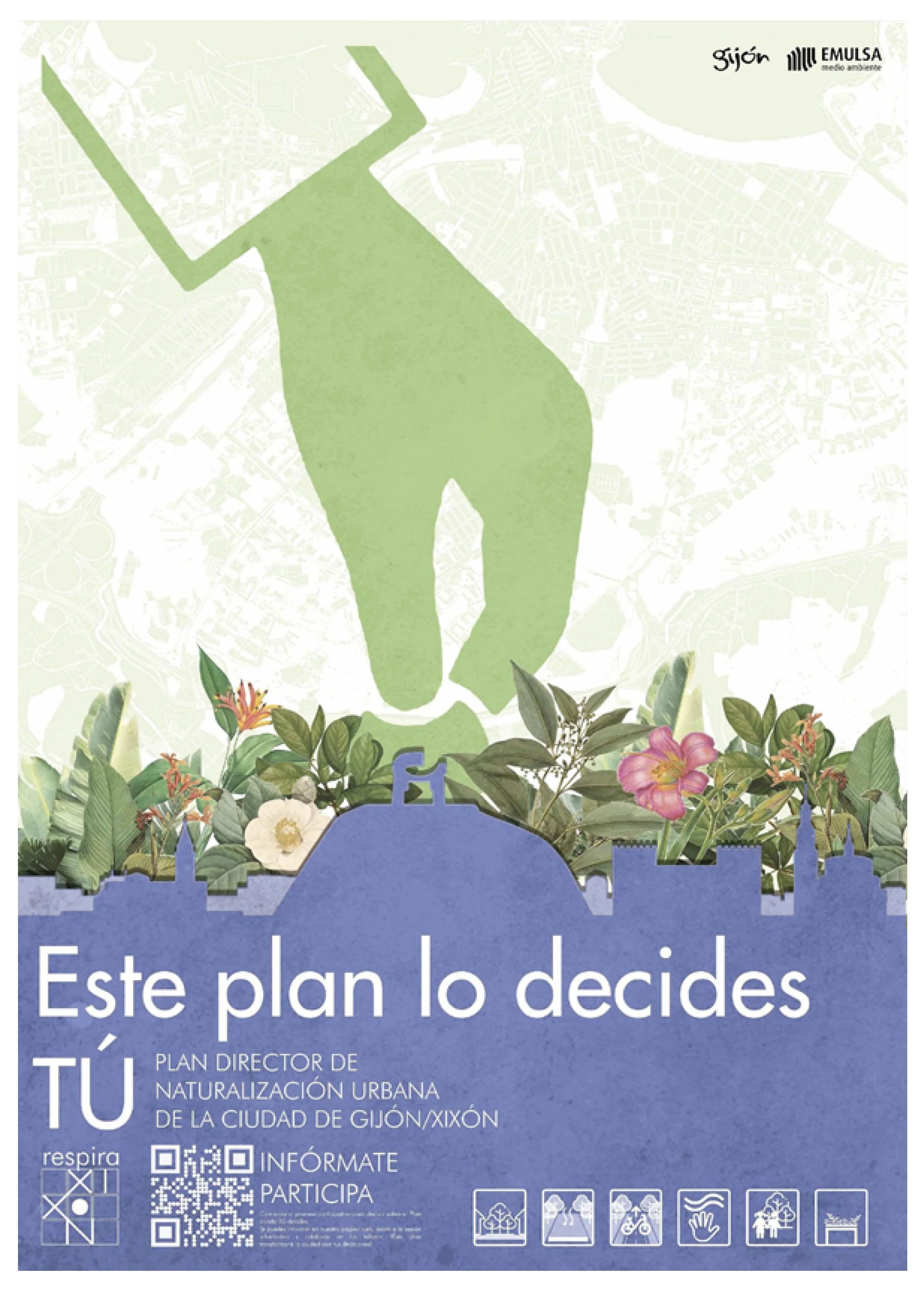
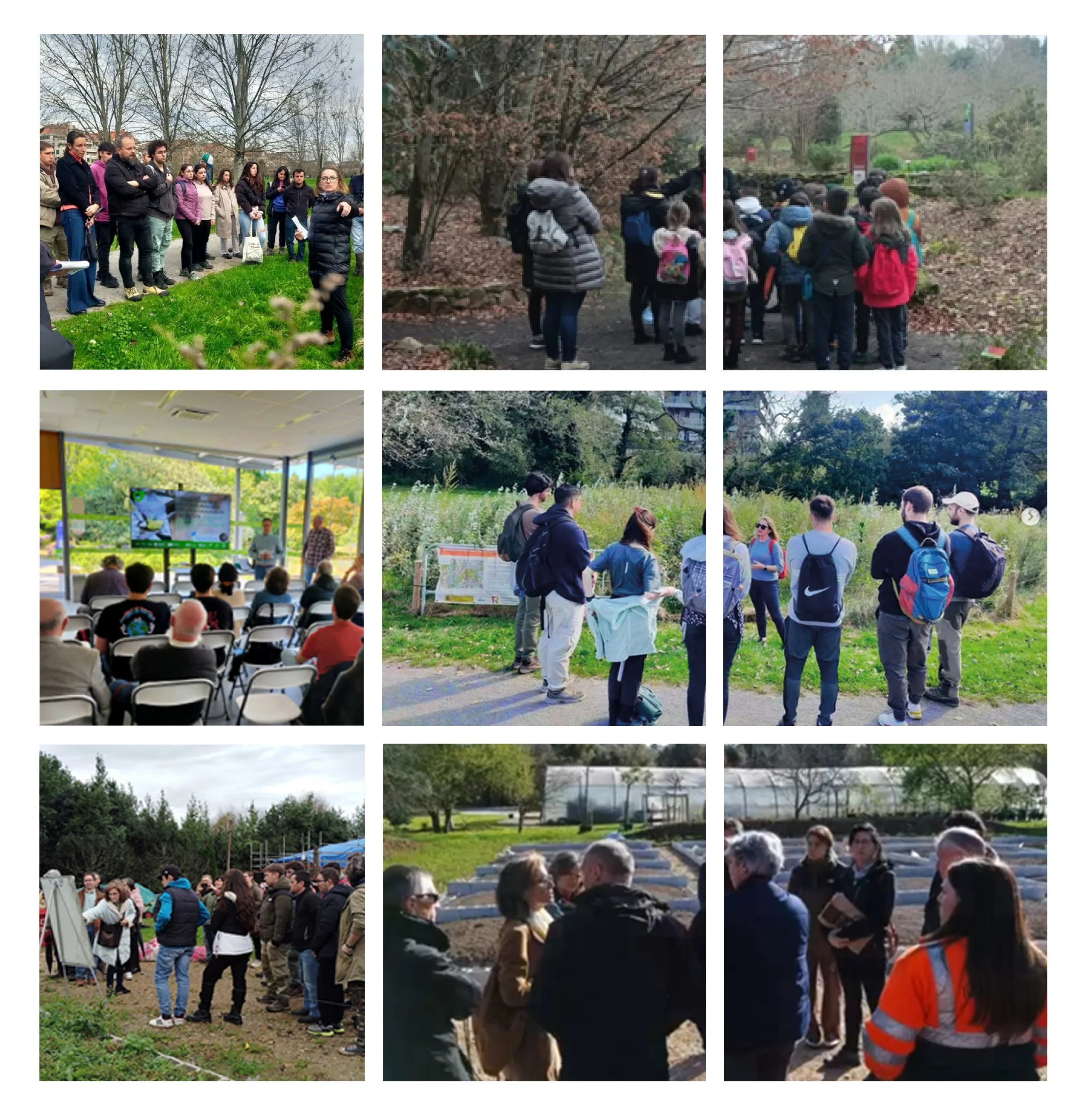
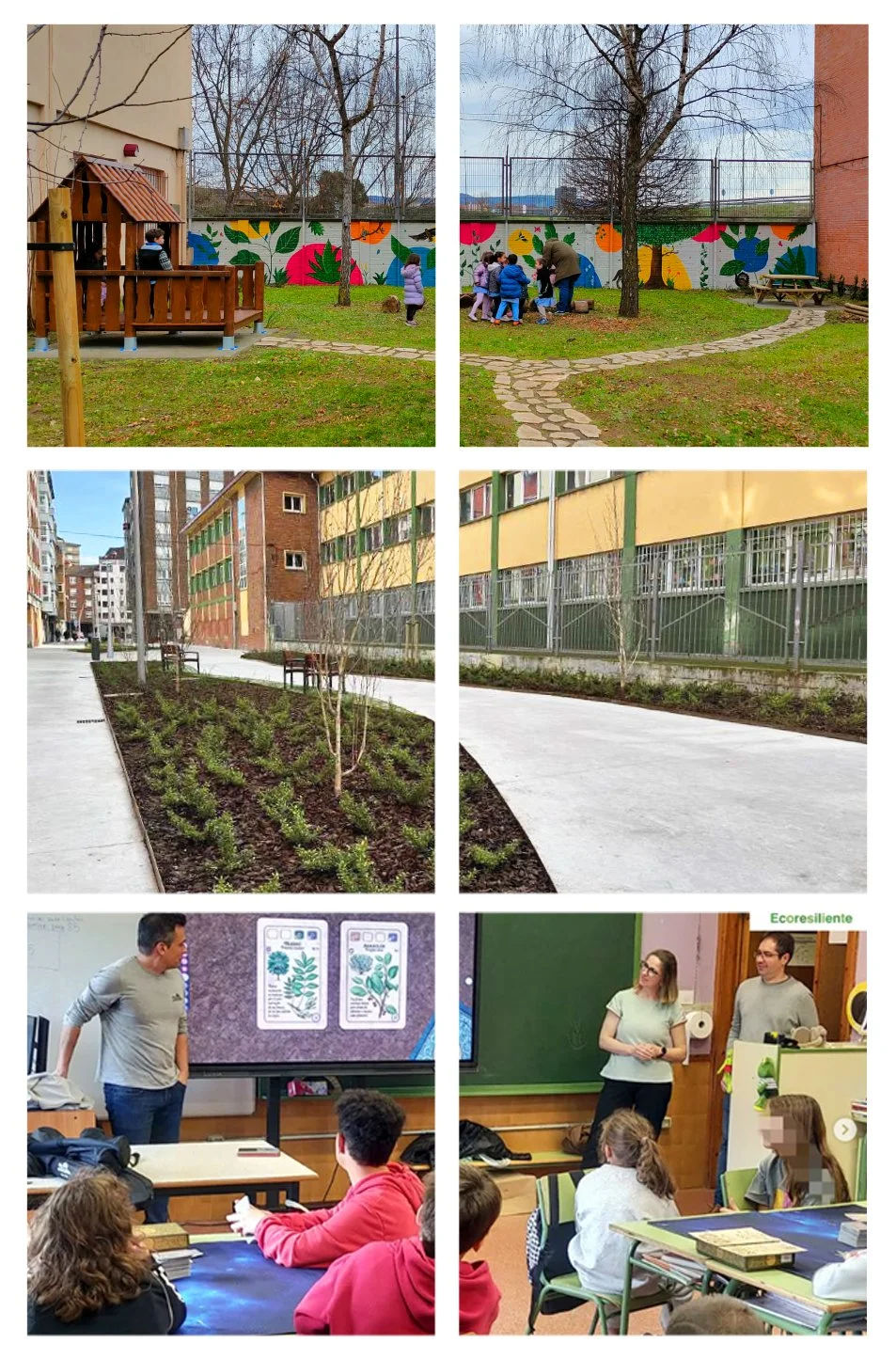
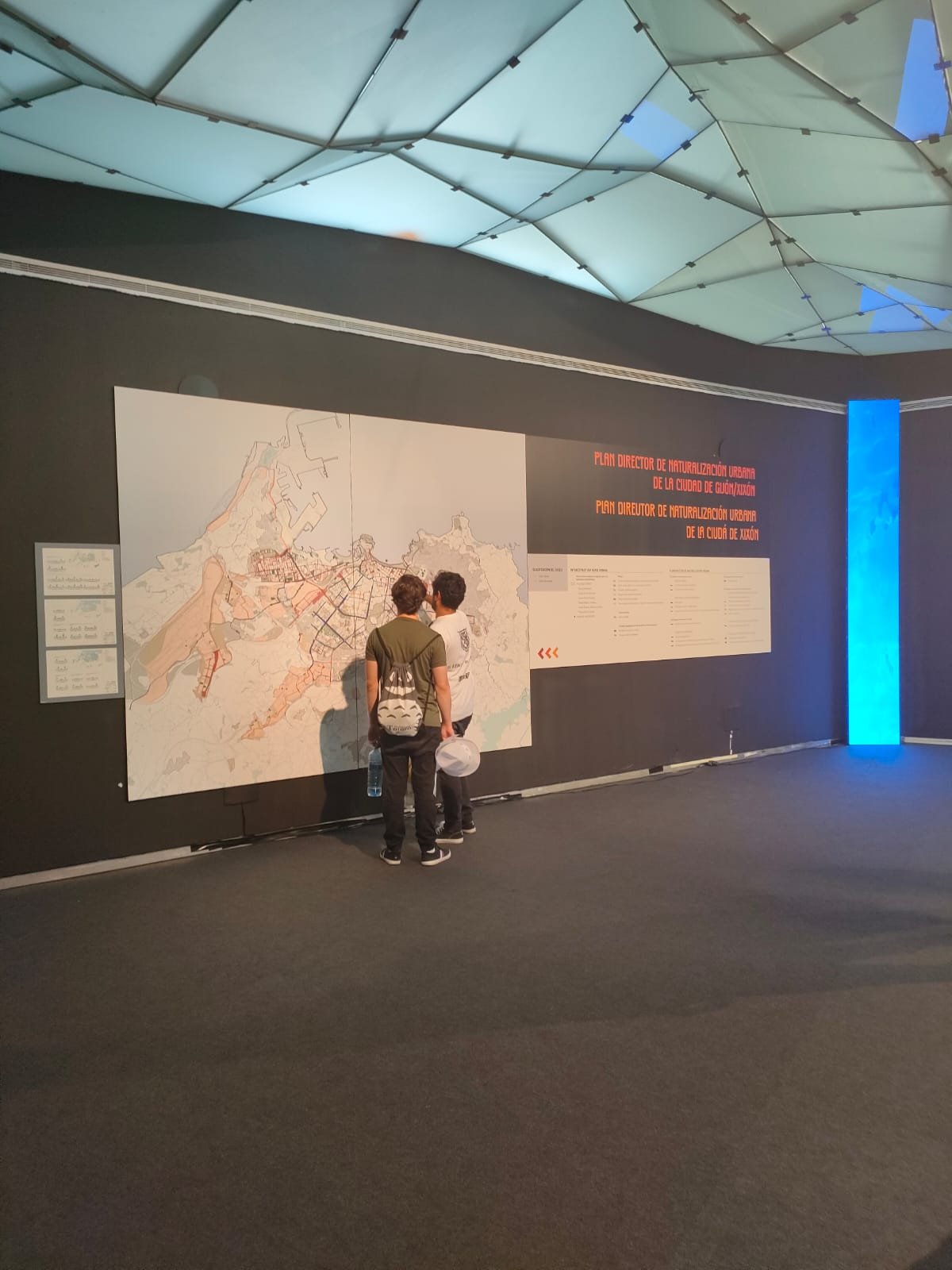
The Urban Naturalization Master Plan for the city of Gijón/Xixón (Spain) is the organizing instrument for municipal policies regarding the sustainability of urban green spaces. It is conceived as an integrative, multi-scale, innovative, and multifunctional strategy aimed at improving environmental quality and the quality of life for its citizens. The goal is to enhance urban green infrastructure for climate change mitigation and adaptation, reducing risks such as flooding and the heat island effect. After more than two decades of urban and territorial transformation that values nature, the city of Gijón has become a point of reference. Citizen participation and social justice are the pillars of the governance process. Planning is conceived as a collective project, built from a daily scale through permanent dialogue. A broad framework of consensus has been established—unanimously approved and backed by various political parties, citizens, environmental groups, and civic associations. This agreement has allowed for the articulation of a common itinerary as the starting point for a long-term paradigm shift toward urban resilience. The alignment of the Plan with international and national regulatory frameworks makes it possible for the interventions and projects included to obtain competitive resources, such as Gijón Ecoresiliente. Participation, monitoring, and evaluation mechanisms allow for shared decision-making, a consented prioritization of actions, and a balanced distribution of investments, establishing the Plan as a living document and a continuous process of co-creation. To facilitate this process, a Citizen Awareness Plan and a Governance and Participatory Process Plan have been developed.
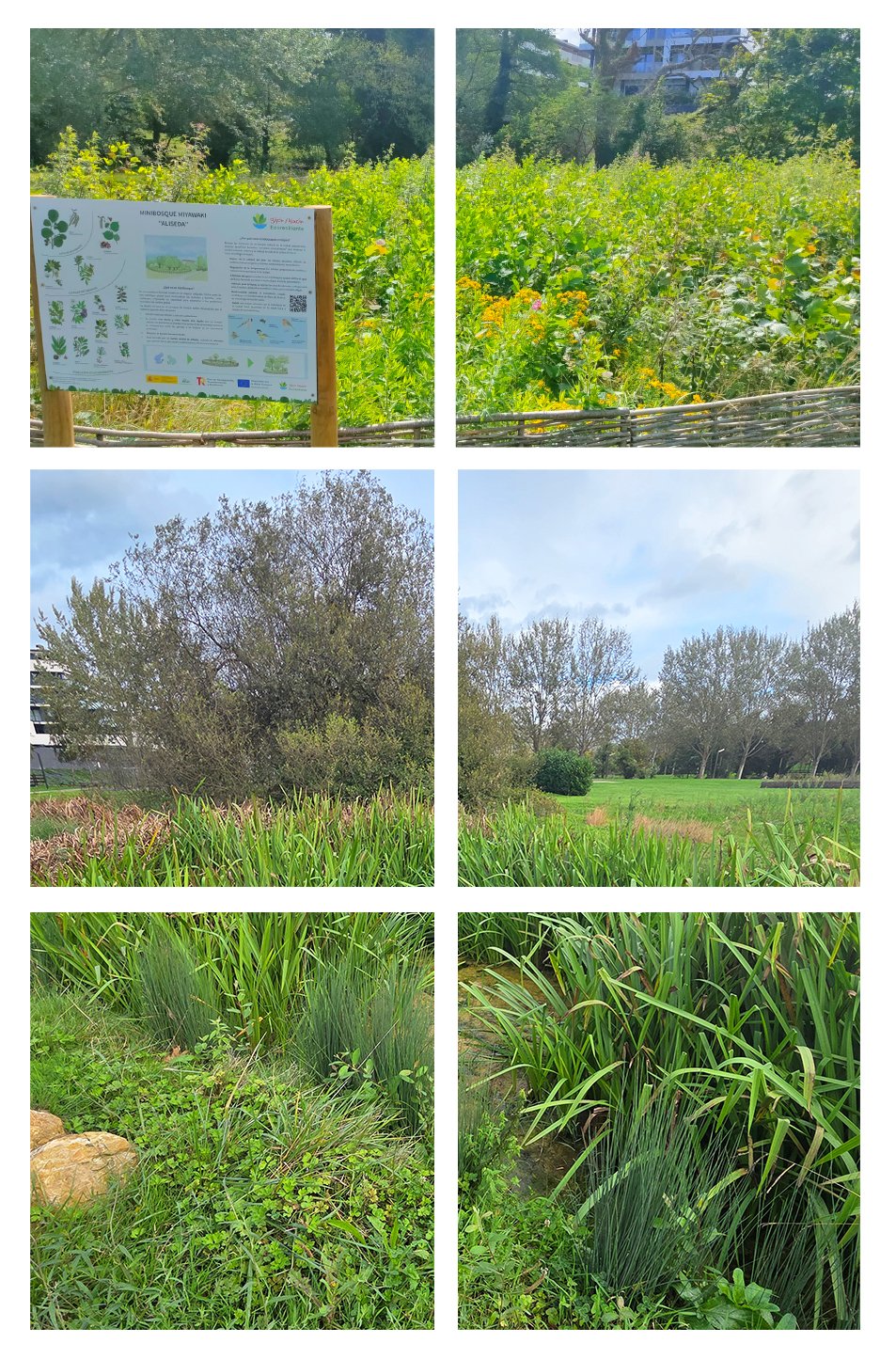
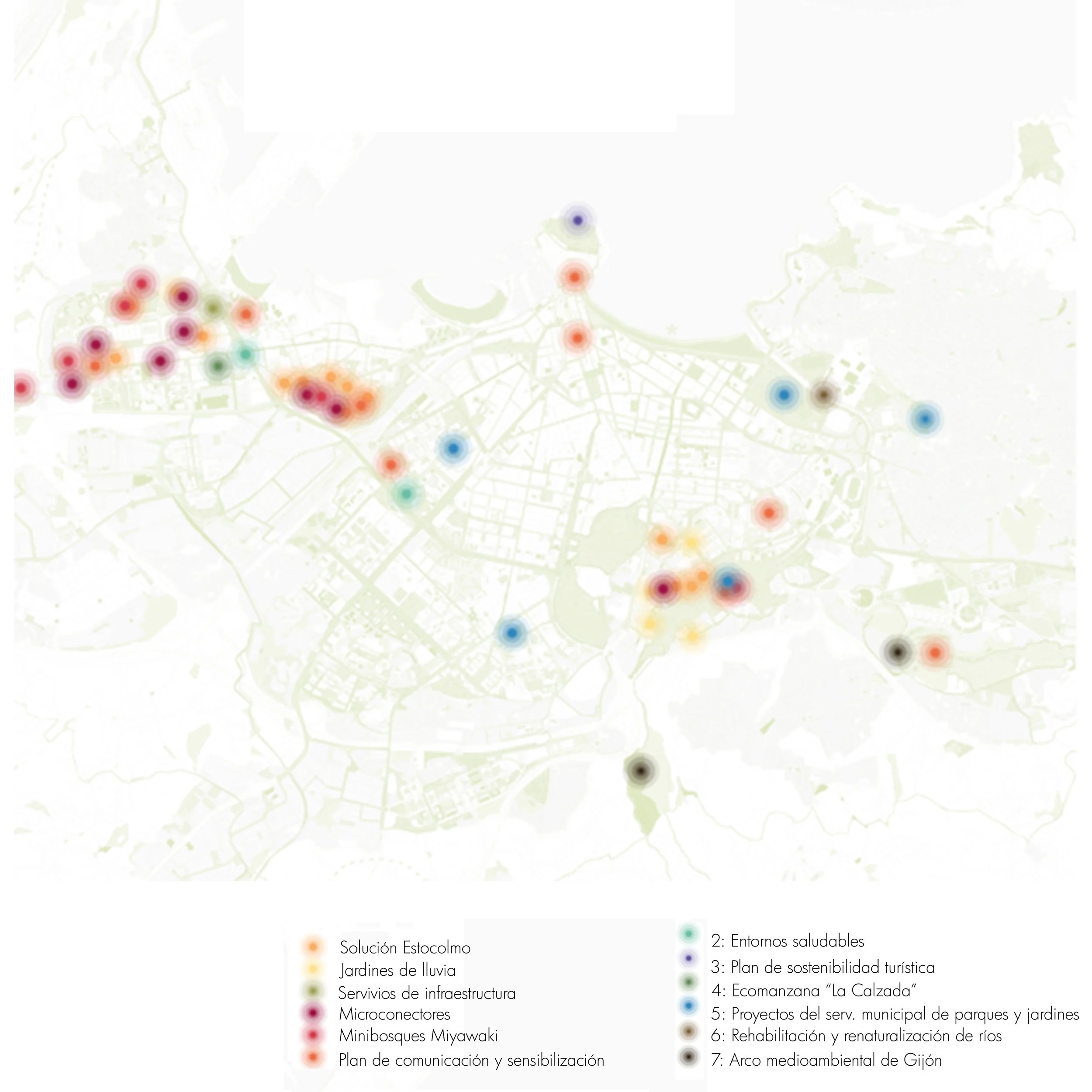
This vision is already becoming a reality. In 2025, the date of its approval, more than 13,000 saplings were planted with the participation of residents and students in the neighborhoods of Moreda, La Calzada, and Viesques.
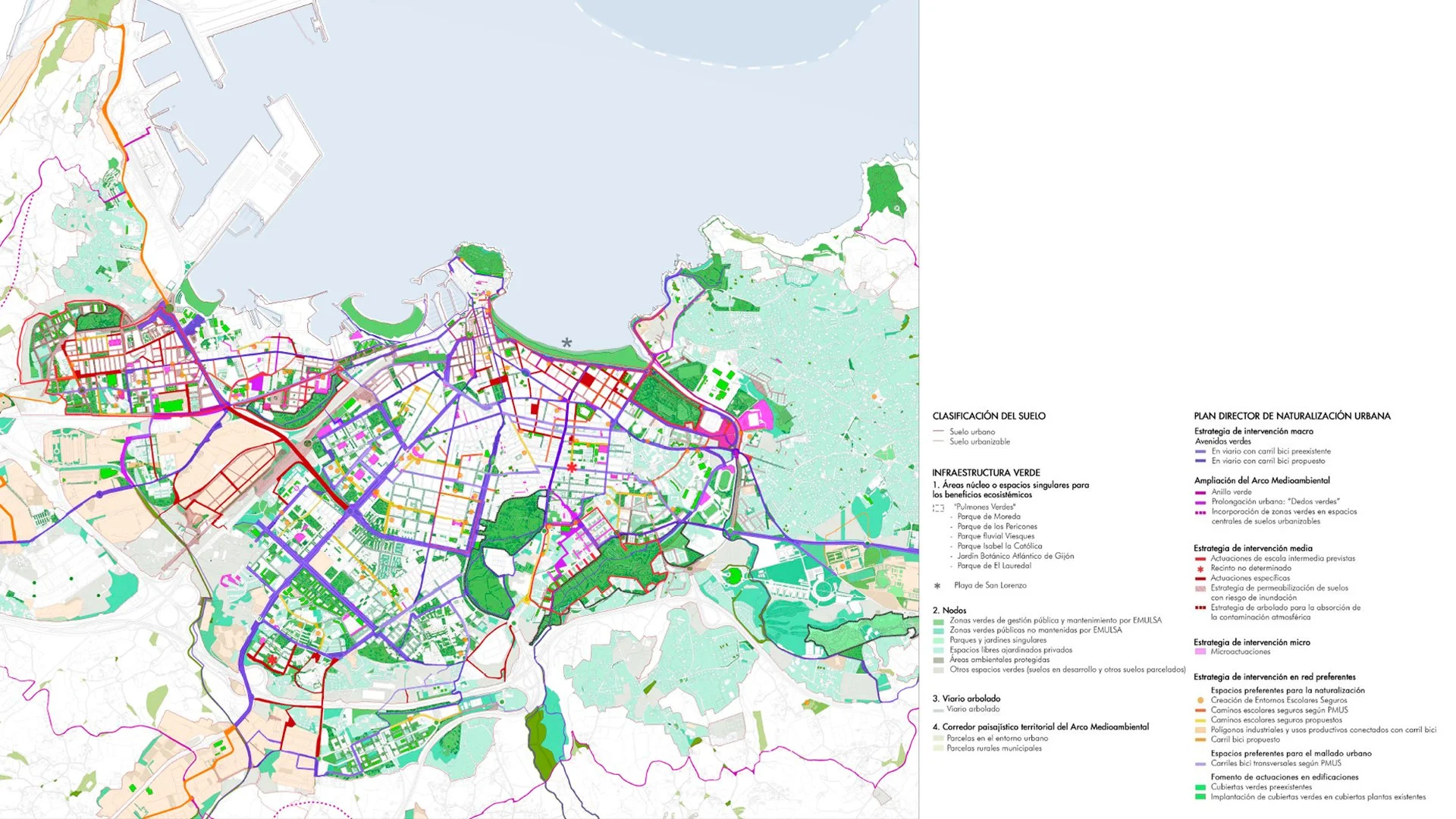
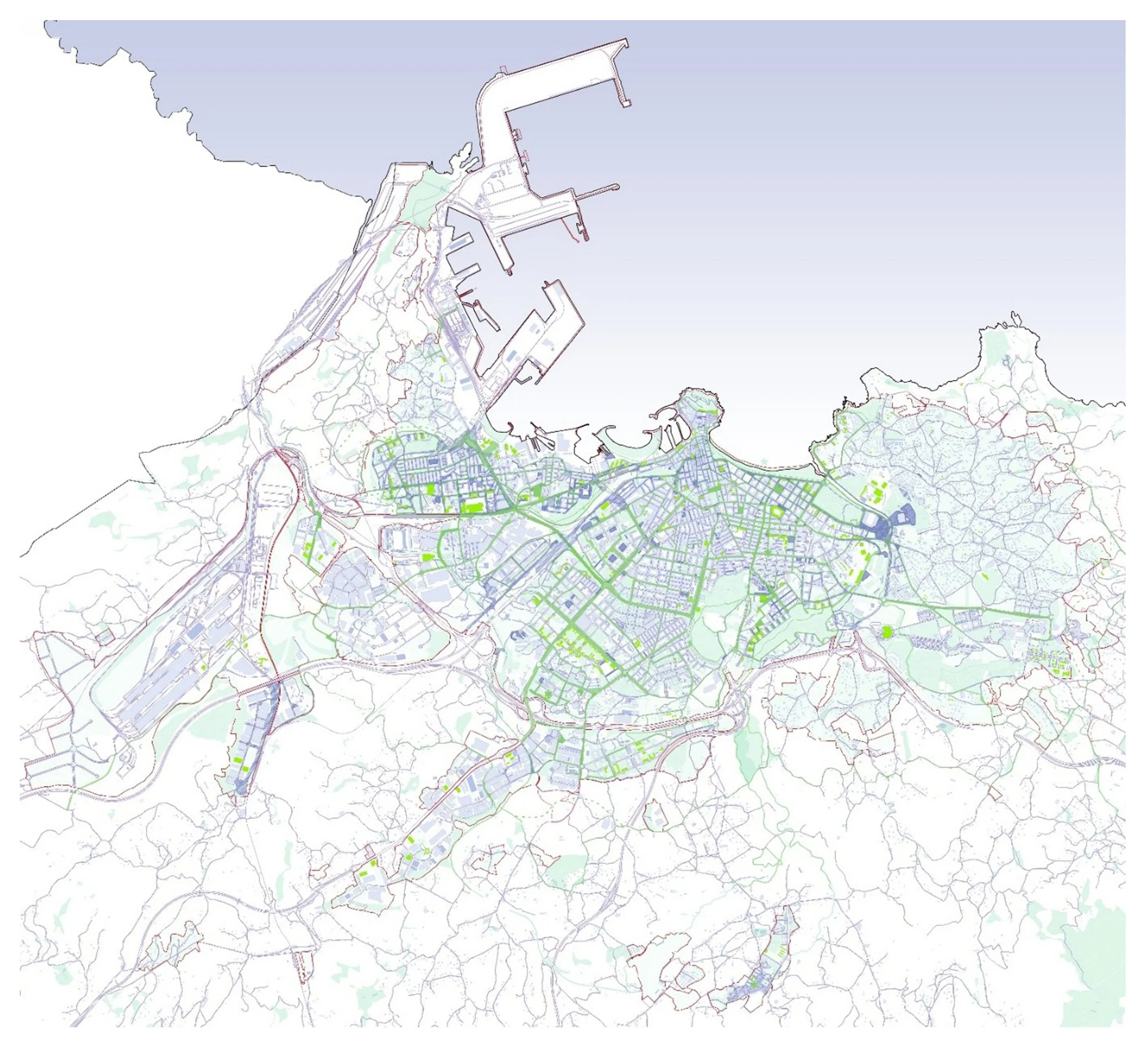
The starting point is the city’s location between coastal and rural ecosystems, characterized—like many cities—by an urban design detached from ecological flows where nature is confined to isolated spaces. Linking these ecosystems through an integrated green infrastructure allows for greater ecological connectivity. This strategy drives the consolidation of a connected and multifunctional green infrastructure as a fundamental system of the urban habitat.
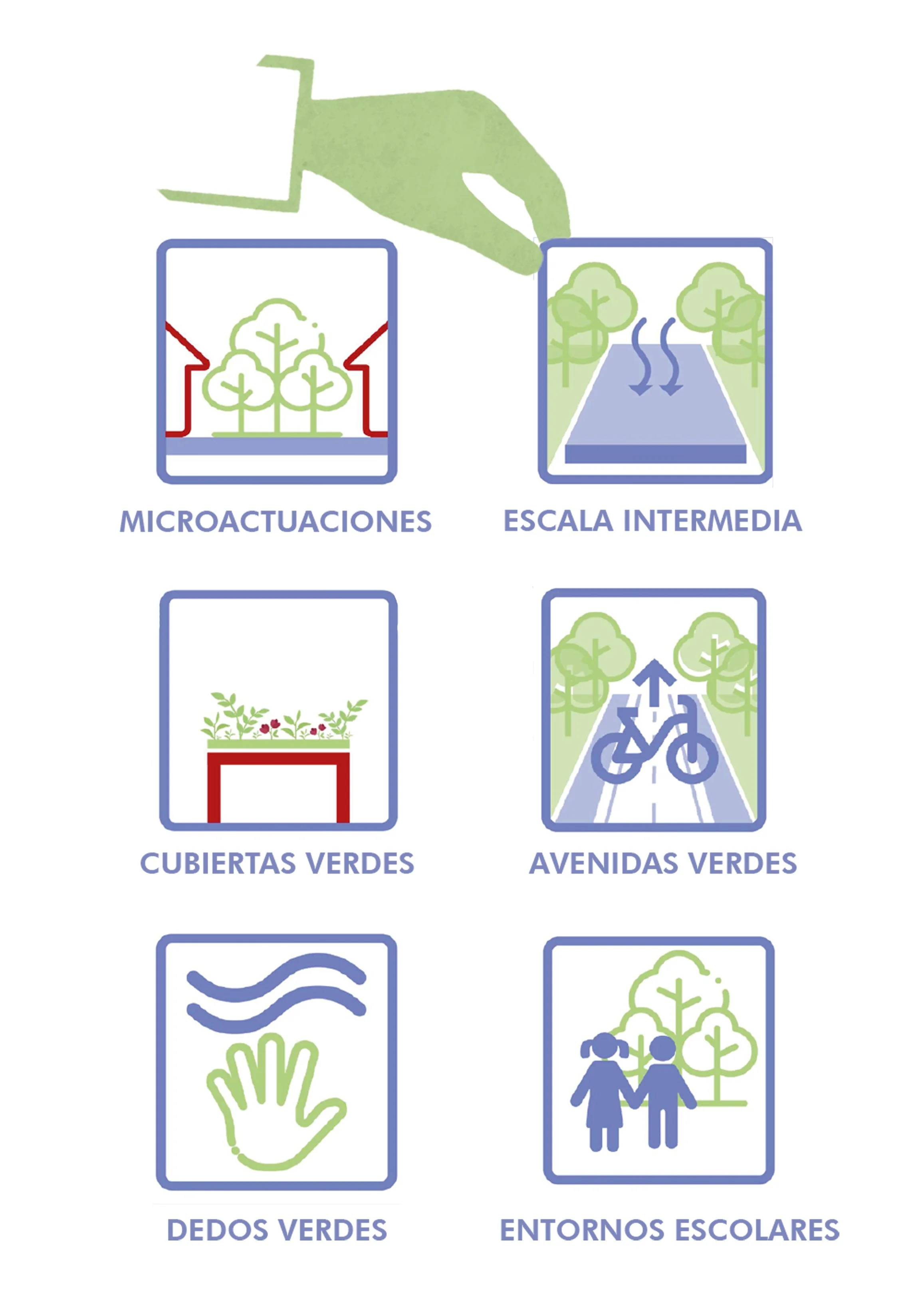
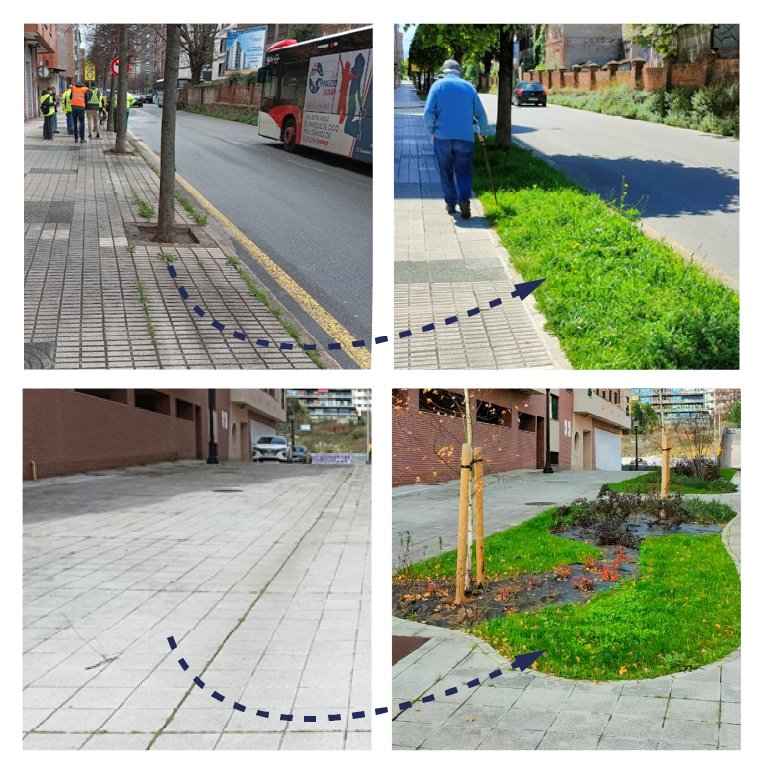
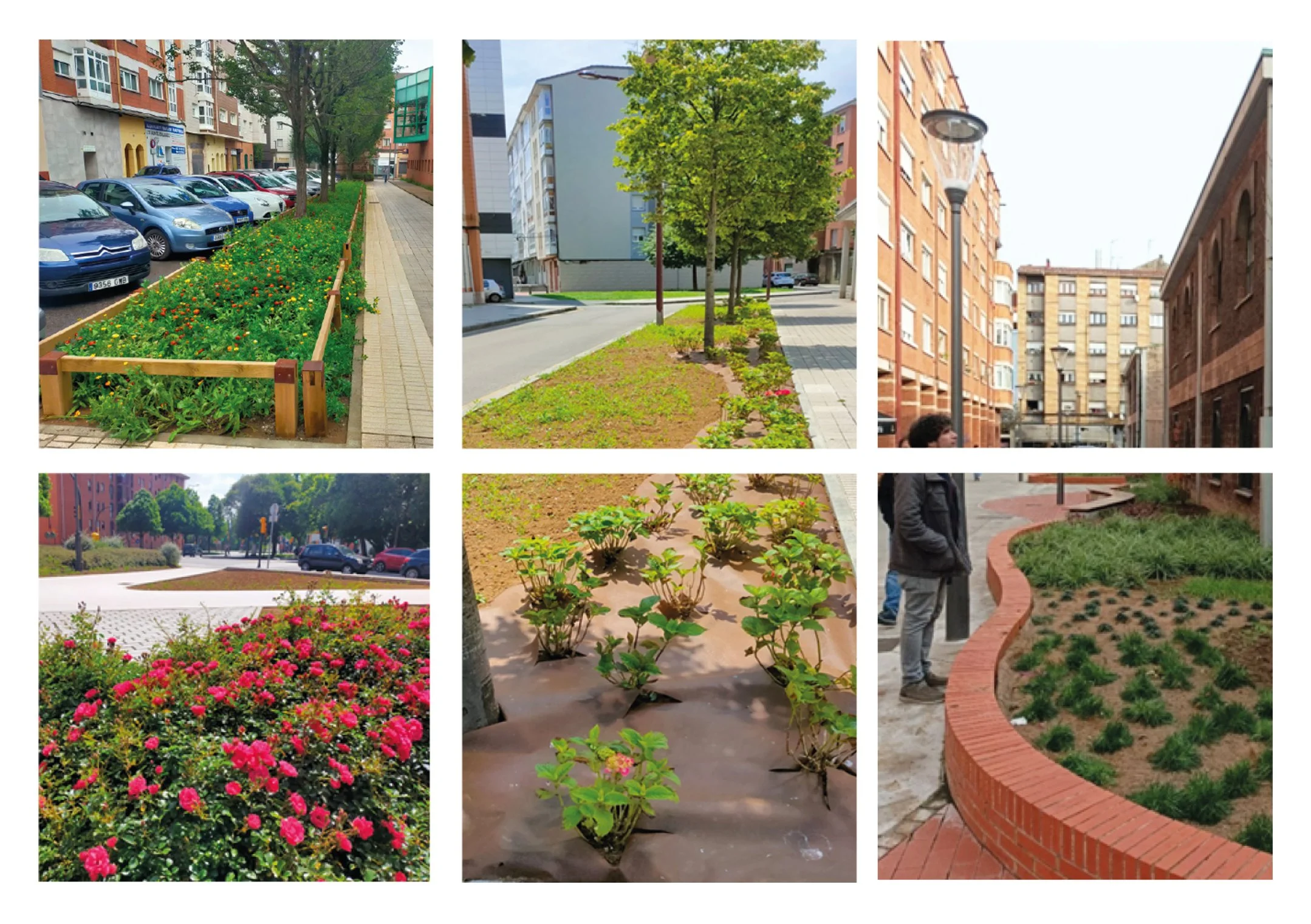
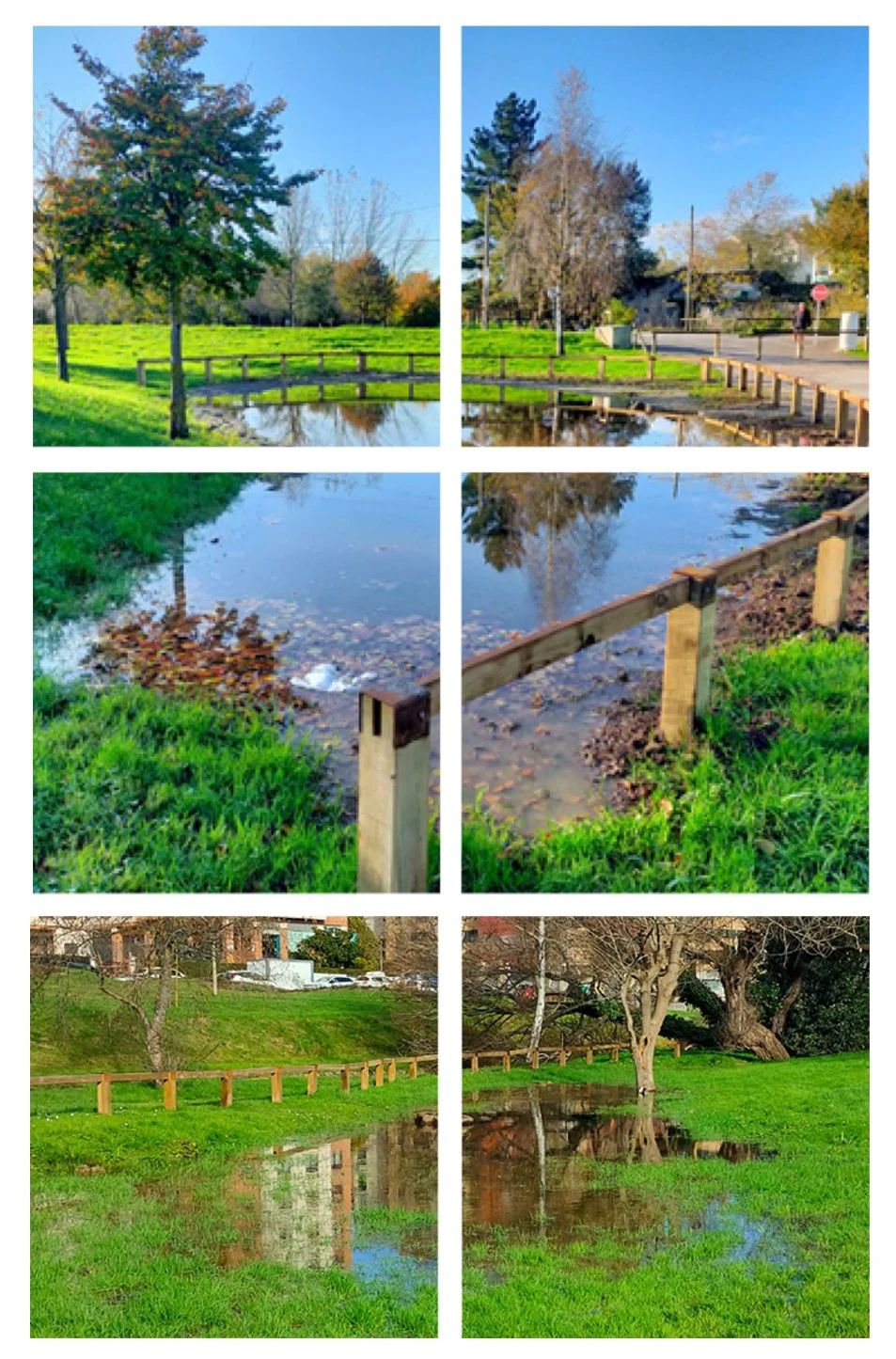
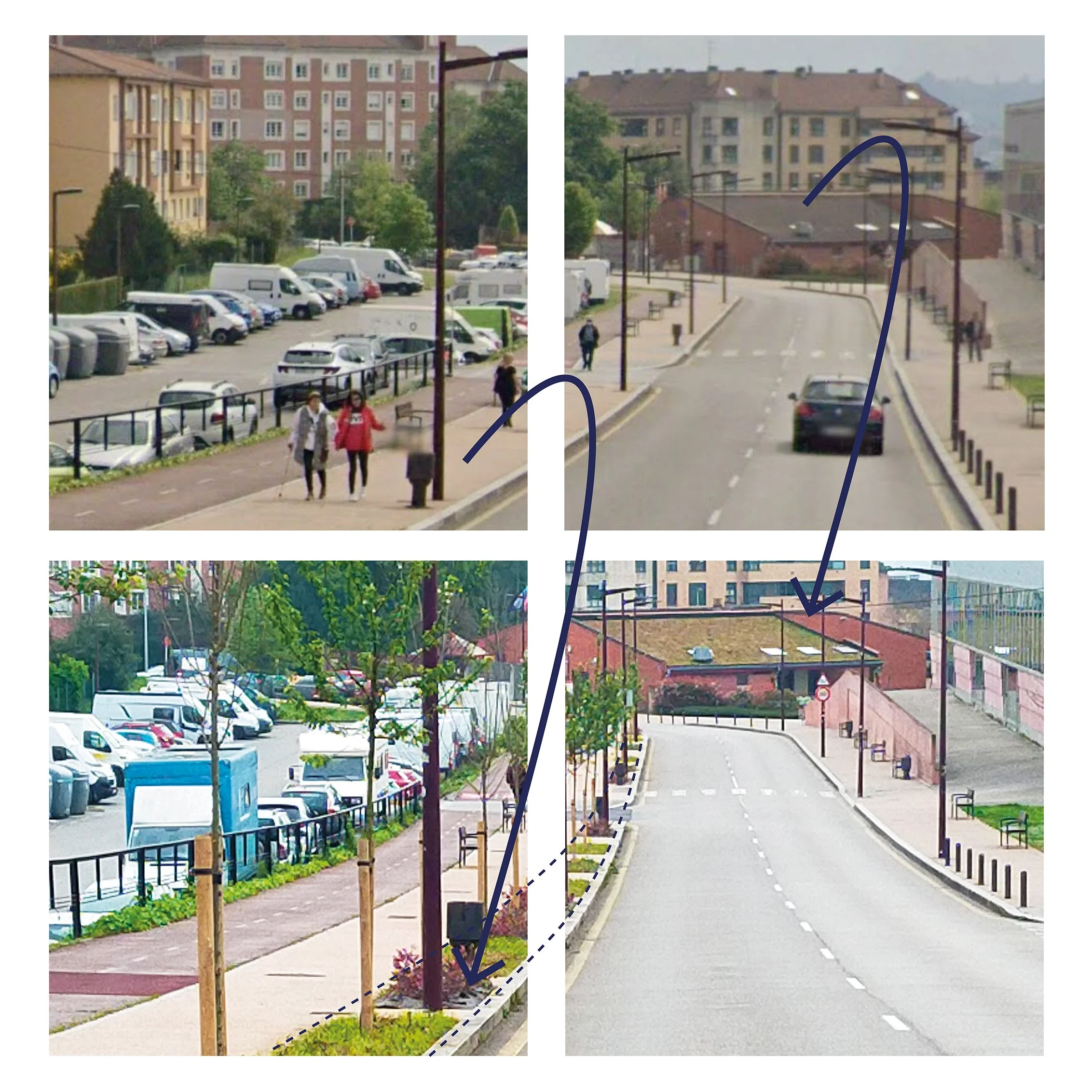
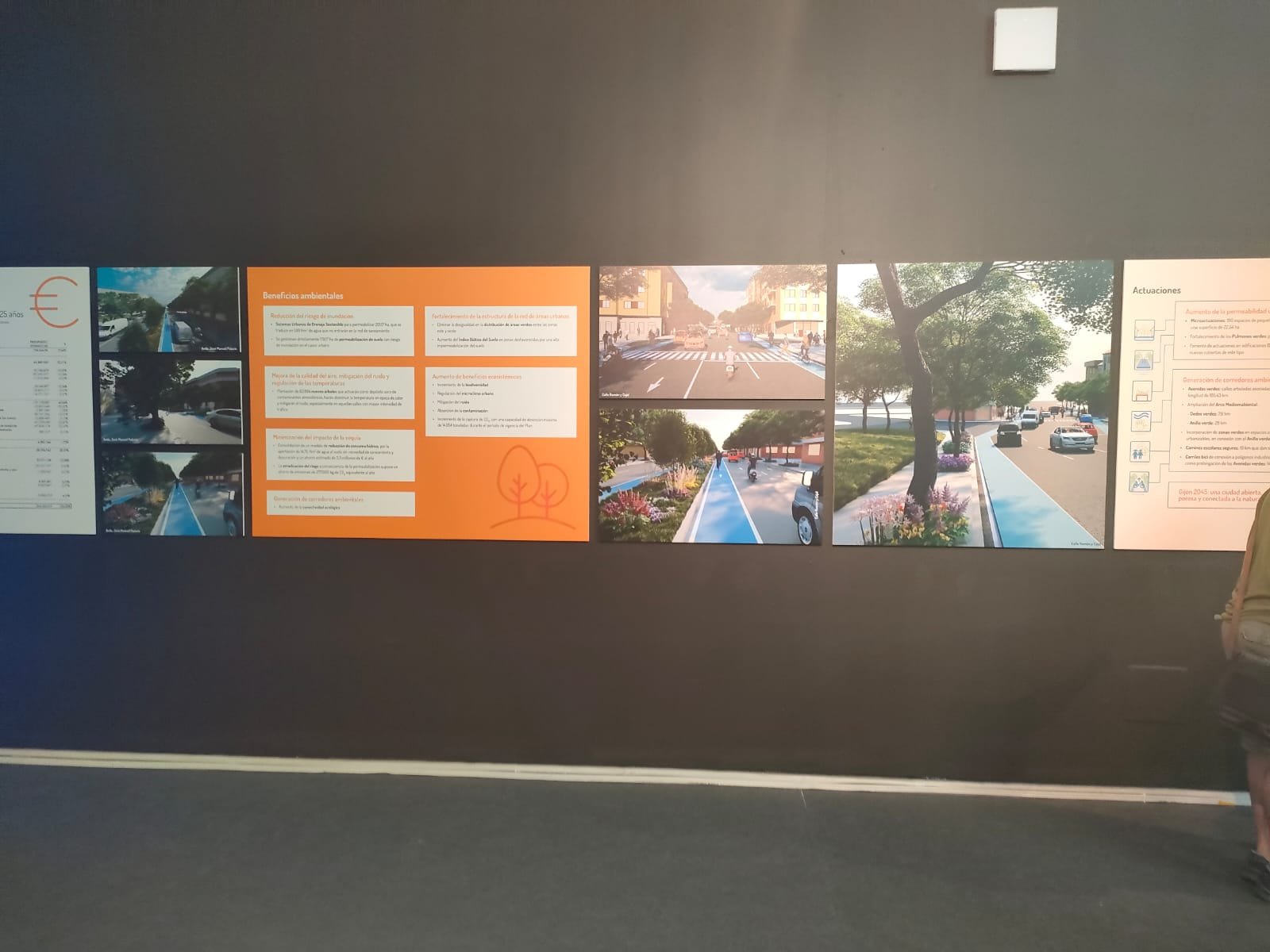
The established objectives are developed through the Participation and Social Justice Strategy; the Biodiversity Increase Strategy; the Urban Area Permeabilization Strategy; the City Renaturalization Strategy; the Environmental Corridor Generation Strategy; and the Tree Plan Strategy. The proposal involves 3,465 ha of intervention, corresponding to an increase of 505 ha, which represents a 17% growth relative to the existing green infrastructure. In this scenario, a new tree system is proposed that will add more than 63,884 units, representing an increase of nearly 165% over the existing inventoried trees. This scenario also features the largest increase in the length of green infrastructure, with more than 174 km of new "Green Avenues," actions within the Environmental Arc project, and preferred network intervention strategies that represent a more than three-fold increase over current levels.
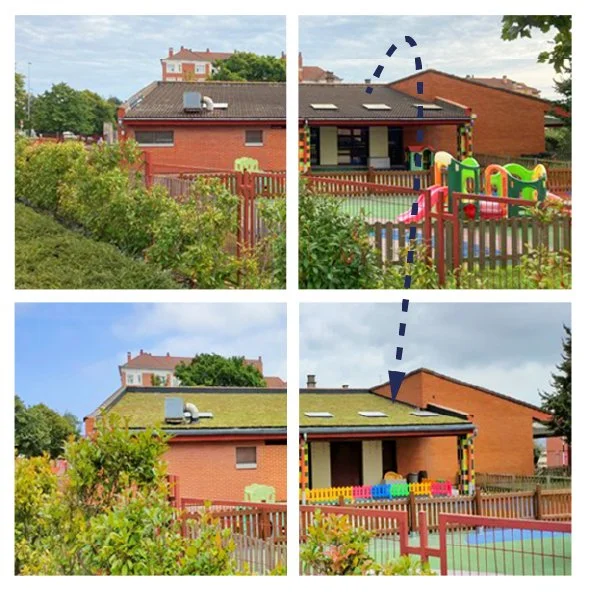
The planned investment is 264 million euros, highlighting the relationship between investment, efficiency, and the hectares of new intervention, which allows us to achieve the stated urban renaturalization goals. Economic studies analyze the actions, amounts, and schedules planned a priori for development and execution, as well as the sources of financing intended to meet financial needs, ensuring the Master Plan is viable and sustainable over time. It represents a paradigm shift in urban green management, moving beyond the "lawn model" to the "tree model": a focus on ecological processes with the goal of maximizing the benefits of ecosystem services.
The document guides the development of municipal policies for the next two decades within a model based on the circularity of urban cycles and their resources, with the horizon of reaching a resilient city by 2045. This transversal strategy allows for the improvement of public space, the built environment, the well-being of residents, and adaptation to climate change, providing a collective roadmap and a "game board" to be developed over a 25-year period. The goal is an open, porous city connected to nature.
A city that breathes. Planning at the service of life.
Link to access the full plan: URBAN NATURALIZATION MASTER PLAN FOR THE CITY OF GIJÓN/XIXÓN