
PLANNING IN SERVICE OF LIFE: TOWARD A NEW URBAN PARADIGM IN THE ENERGY REVOLUTION
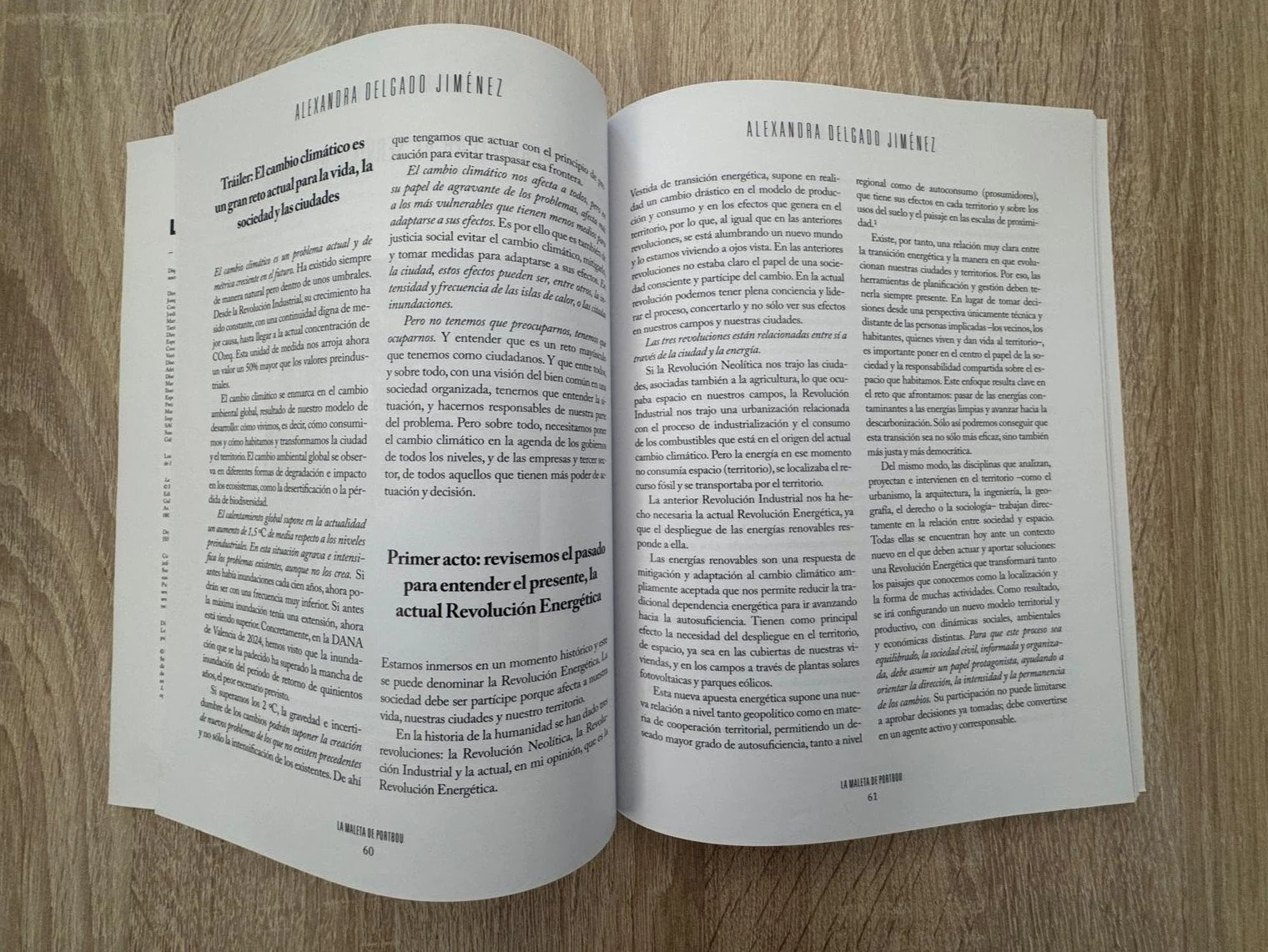
We are undergoing humanity’s third great revolution. Following the Neolithic and Industrial revolutions, the current Energy Revolution represents a drastic shift in production and consumption. Unlike the era of fossil fuels, where resources were transported while occupying minimal space, renewable energies require land: rooftops, solar fields, and wind farms are transforming the landscape.
This new scenario demands a conscious and participating society. The energy transition must be, above all, a democratic and just process that fosters regional self-sufficiency and the role of the "prosumer," integrating technology with a human vision of the common good.
Measuring to transform: The EGEI tool
Under the premise that it is necessary to "make the invisible visible," the article highlights the importance of data science in urban planning. Alexandra Delgado, alongside researchers Roberto Álvarez and Fernando Beltrán (Nebrija University), has developed a pioneering tool for the Community of Madrid.
This calculator, active since 2022 and already consolidated in more than sixty planning files, allows for:
Quantifying greenhouse gas (GHG) emissions linked to land use.
Evaluating the capacity of soils to act as carbon sinks.
Comparing development scenarios to prioritize those that minimize environmental impact.
Understanding the metrics of the problem is the indispensable first step toward designing real alternatives for decarbonization.
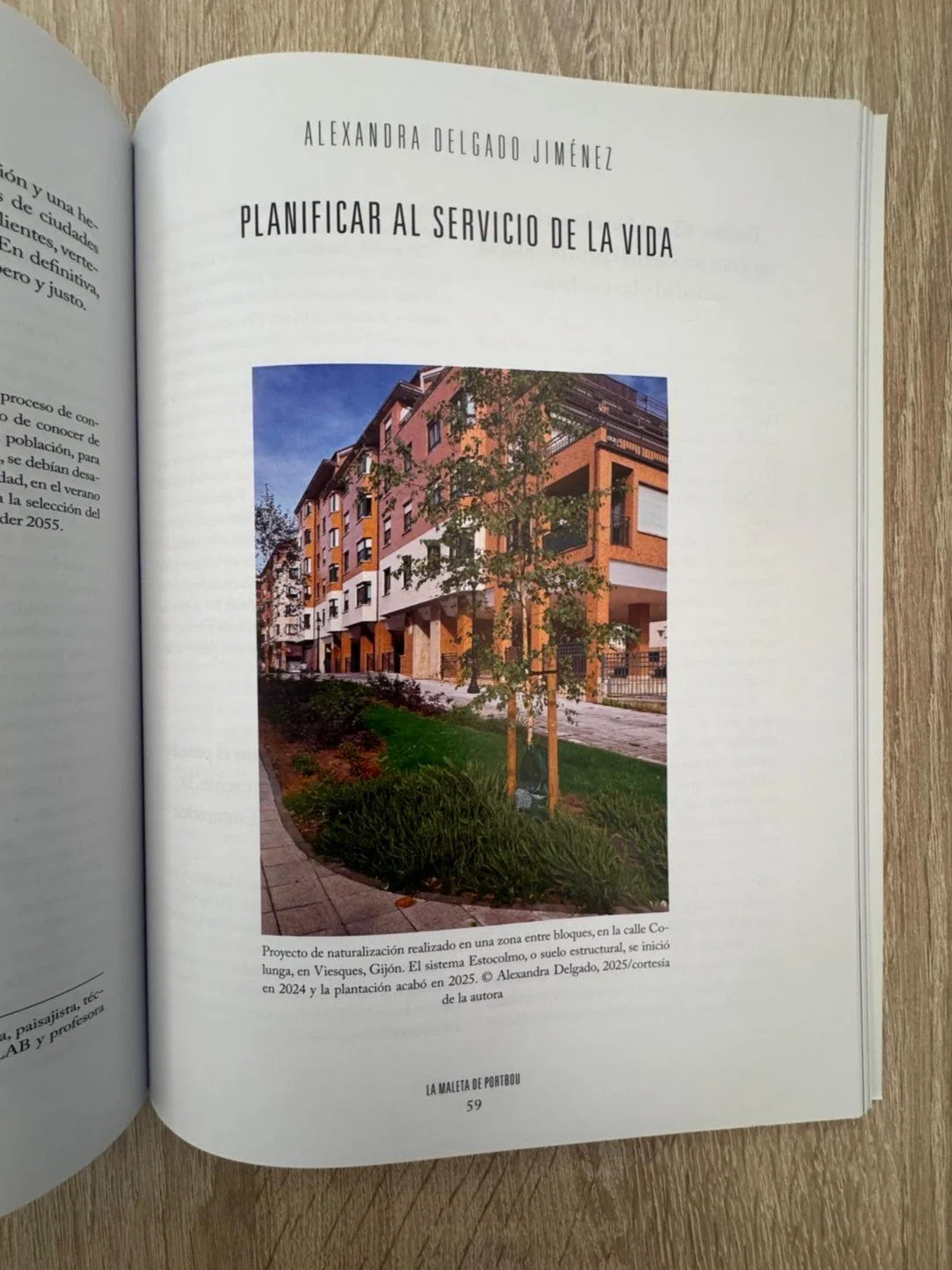
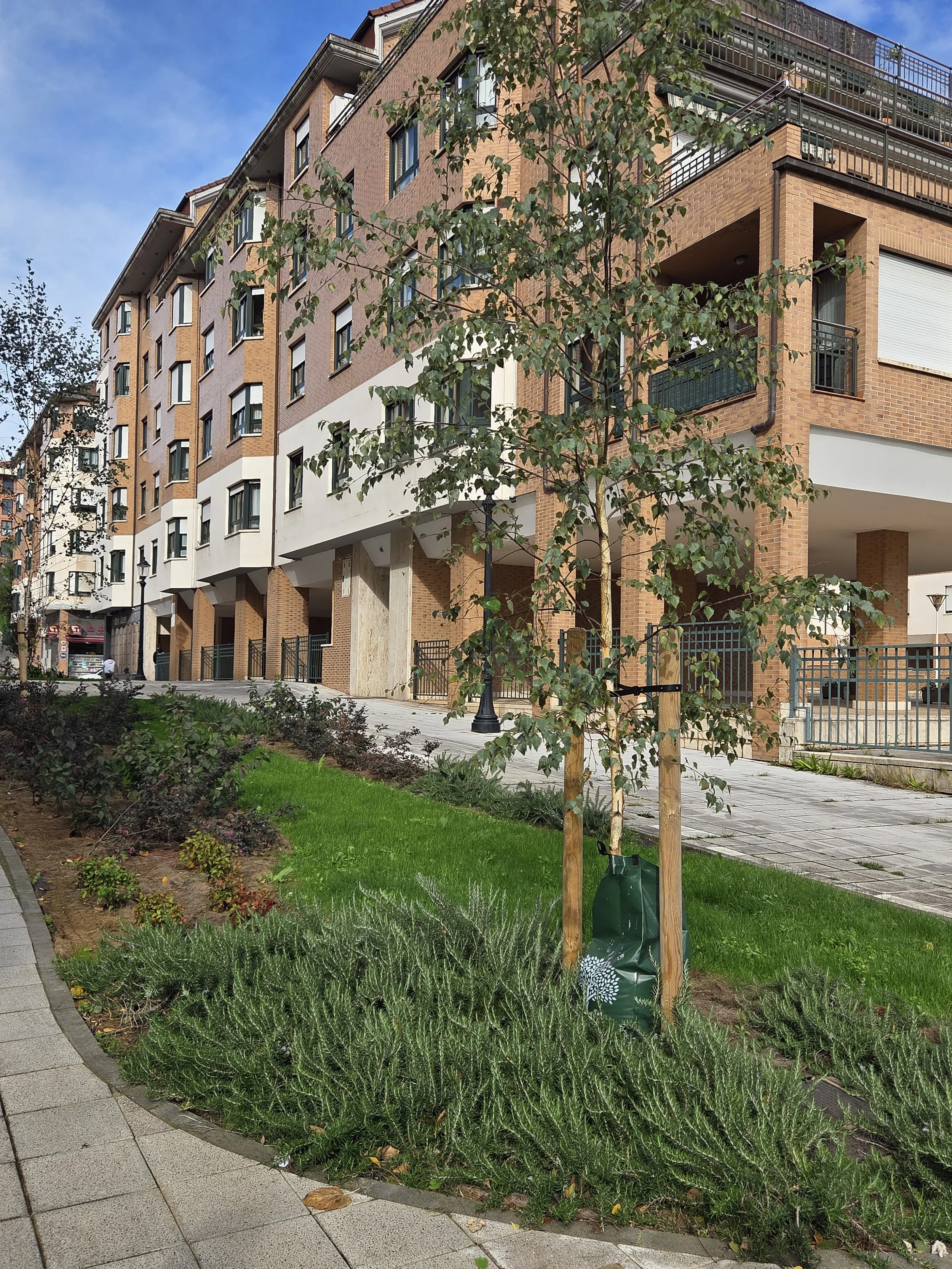
The concept of planning in service of life finds its practical application in the Urban Naturalization Master Plan of Gijón/Xixón. Approved in 2025 with a horizon set for 2045, this plan redefines the city as a resilient and porous organism.
Through four key programs: Biodiversity, urban permeability, environmental corridors, and renaturalization, the project seeks social justice and improved quality of life. Gijón is thus projected as a "city that breathes," where green infrastructure serves as the backbone of the balance between the built environment and natural flows.
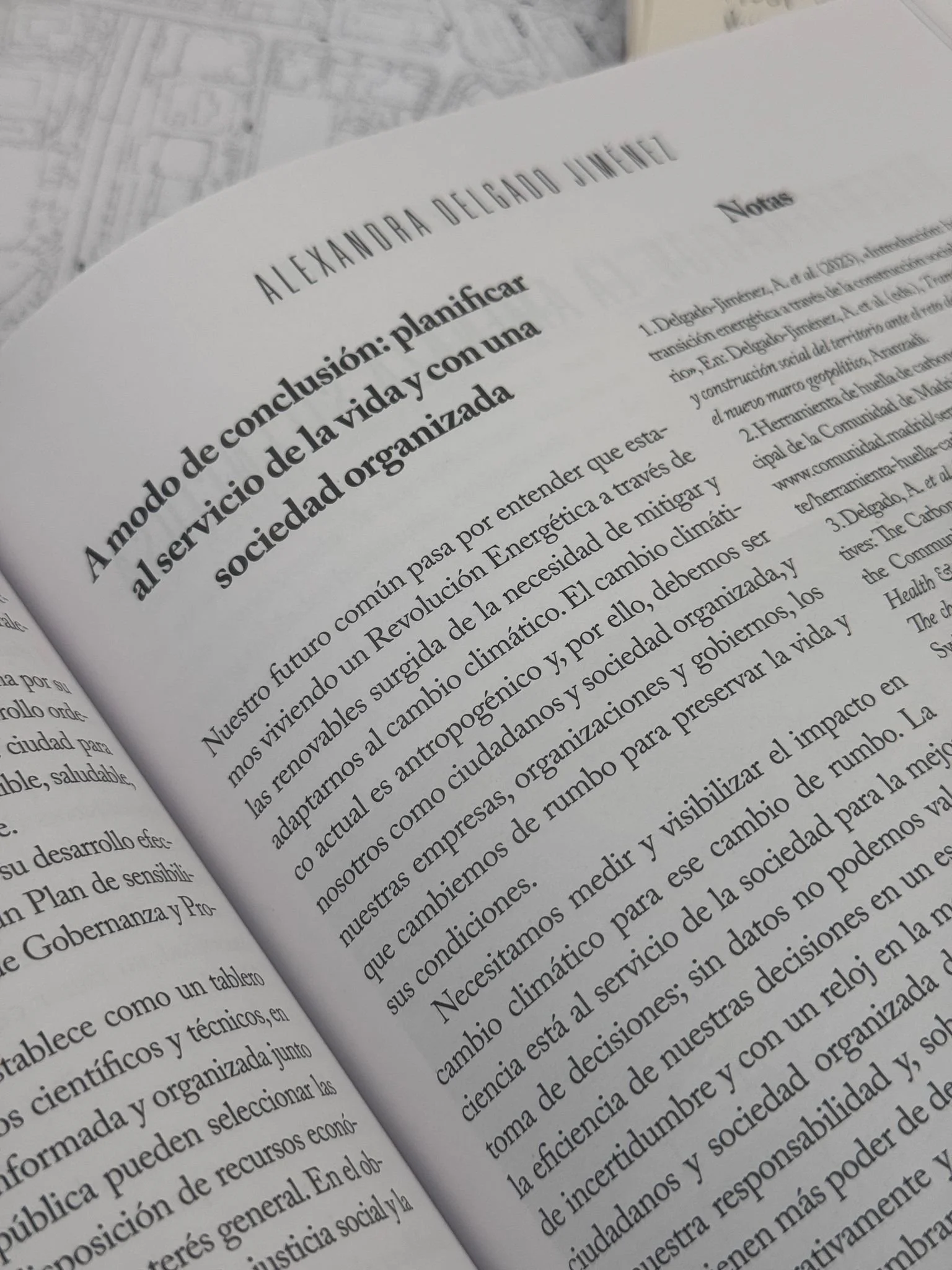
As Alexandra Delgado notes in her closing, the future is not written; it is designed. We still have time to change course, understanding that an organized society is the only one capable of ensuring planning that is, above all else, in service of life.
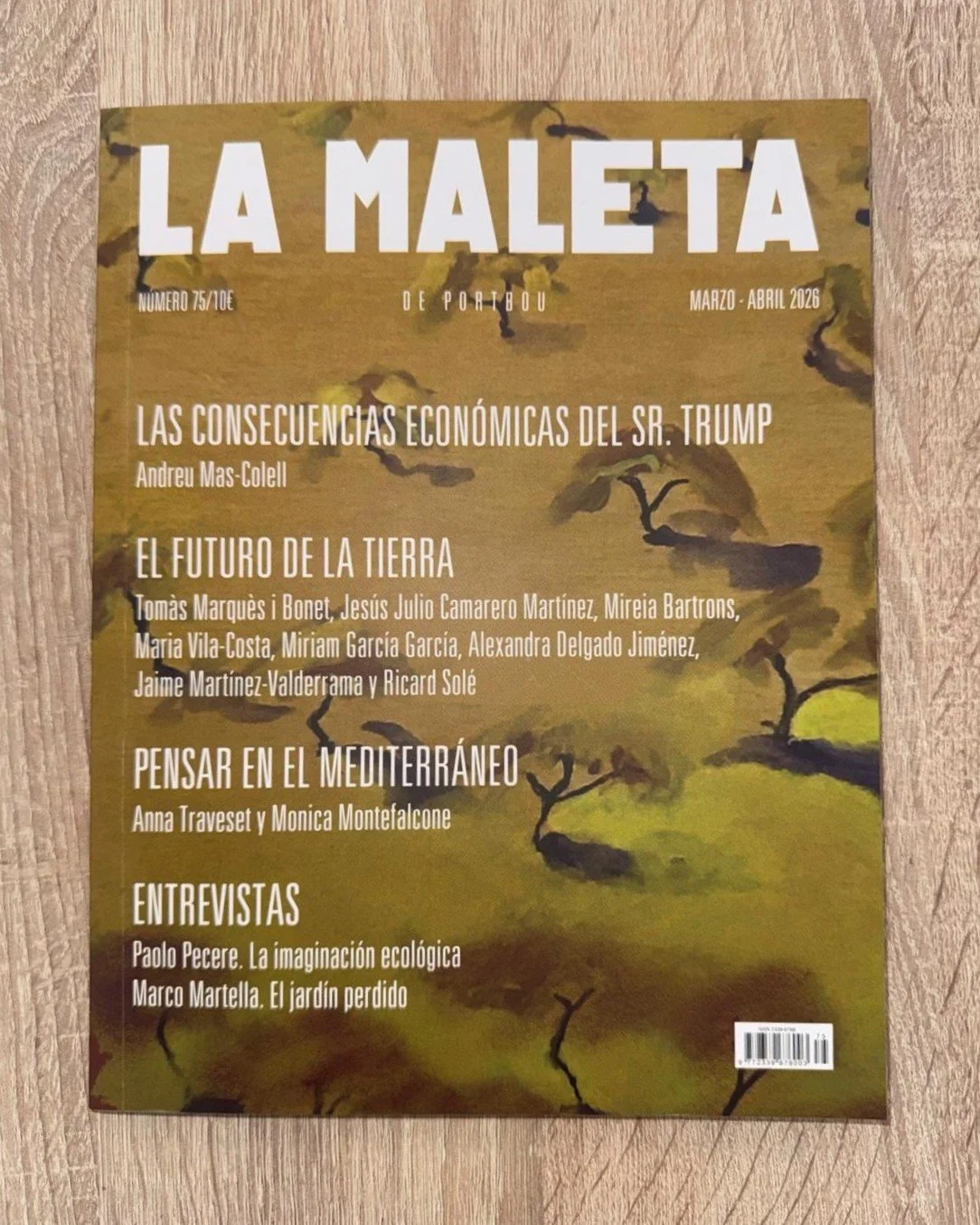
You can access the full article "Planning in Service of Life" and explore the rest of the content from issue number 75 of La Maleta (de Portbou) through its official website or by purchasing the print edition at specialized bookstores and selected newsstands.